

Land grading
Land Grading & Leveling
Shape uneven ground, improve property access, and prepare areas for their next use with grading that considers drainage and site conditions.
Send the property location, photos, access notes, and a short description of what needs to be done for land grading and leveling for Central Kentucky properties.
Get a Free Estimate
Grading & Leveling for Central Kentucky properties
Use grading and leveling when the property needs better shape, access, drainage, driveway support, building readiness, or surface correction.
Grading changes how a property works. A surface that is too uneven, too low, too soft, or sloped the wrong direction can affect drainage, driveway access, building readiness, fencing, parking, and everyday use. Grading and leveling are about shaping the site so the next step has a cleaner starting point.
Reliable Outcomes Excavation can support grading work for property owners who need better access, a more usable surface, improved drainage direction, driveway preparation, or project readiness before another improvement. The estimate should include the property location, what area needs to be shaped, where water currently goes, and what the surface needs to support after the work is done.
This service pairs naturally with excavation, driveway repair, gravel hauling, lot clearing, footing excavation, fencing preparation, and metal building site support. If the grading job is part of a larger project, describe the whole project instead of only the surface issue so the work can be planned in the right order. Clear photos from the driveway, work area, and low spots help show the amount of shaping needed. If gravel, hauling, or cleanup may be part of the same job, include that early so the estimate covers the full finish.
See our grading work
Our grading photo collection includes yard and driveway grading, rough-grade areas, and site-preparation shaping. Tell us how your area will be used so the estimate distinguishes rough preparation from the finish you need.


Plan the full job
A good plan for land grading and leveling for Central Kentucky properties depends on access, grade, water flow, cleanup, nearby structures, and what should happen after this part of the work is done.
If the same property also needs grading, hauling, clearing, drainage, driveway work, or building preparation, send one request with the full site issue so the work can be planned together.
What we can help with
Every property is different. Access, drainage, soil, slope, truck room, and the final use of the area all affect the job. These are common ways grading & leveling can help.
Drainage shaping
Grade adjustments to help manage water movement and site usability.
Access improvement
Surface preparation for driveways, paths, parking, and jobsite movement.
Project readiness
Grading support before fencing, building, clearing, or improvement work.
Surface shaping
Grade and shape areas that need better access, drainage direction, or preparation for use.
Low spot correction
Discuss low areas, uneven surfaces, soft spots, or places where water collects after rain.
Project-ready finish
Prepare the site for driveway, fencing, building, clearing, hauling, or other property improvement work.
What customers say
A quick look at recent feedback before you request help with land grading and leveling for Central Kentucky properties.
Grading and leveling problems we can help with
Grading calls usually come from uneven ground, poor slope, standing water, rough access, or a surface that is not ready for the next use.

Water sits where it should not
Low areas and poor slope can leave water standing in yards, access routes, or work zones.

The driveway or access area is rough
Grading can support a cleaner base before gravel, driveway repair, or access improvements.

The site is not ready for the next trade
Building, fencing, deck support, or metal construction work may need a shaped and usable area first.

Cleared land still feels unfinished
After clearing, demolition, or excavation, grading helps turn the disturbed area into a more usable surface.
How the job is planned
A better estimate starts with clear photos, the property location, and a simple explanation of what needs to happen on site.
Start with the property and the goal
The first step is to understand the property location, what needs to be done, and what should be different when the work is finished. A driveway access issue, a drainage concern, a building-prep need, and a cleanup job can all affect equipment time, dirt movement, and finish expectations.
Review access before the work is scheduled
Access affects every site-work estimate. Driveway condition, slope, gate width, soft ground, overhead obstacles, parked vehicles, and room to turn around can change how the work should be approached. Photos from the road, driveway, and work area help identify access issues before the crew arrives.
Plan around water, utilities, and nearby features
Before digging or shaping a site, note any known utility paths, drainage patterns, downspouts, septic areas, fences, trees, structures, or neighboring property concerns. The estimate request should include anything that needs to stay protected or anything that another contractor has already marked.
Connect hauling, grading, and cleanup early
Grading & Leveling may create soil, brush, old gravel, concrete, fill, or debris that needs to move. It is better to discuss hauling, cleanup, grading, and finish expectations before work starts so the site is not left with leftover dirt, brush, gravel, or debris after the main task is done.
Use the estimate form for files and context
The estimate form can include photos, plans, PDFs, and notes. That makes it easier to understand the work area, access route, where the job stands now, and the next step. If the job is connected to another contractor or official requirement, attach the available documents instead of summarizing from memory.
Mention related work early
If the same property also needs grading, hauling, clearing, driveway support, drainage support, footing work, or metal building support, include it up front so the job can be planned in the right order.
What to send before the estimate
You do not need perfect plans to get started. A few clear details make the first call or estimate request much more useful.
Property Location
Share the property location or nearest access point, plus any gate, driveway, road, or entry details that affect equipment access.
Current Site Condition
Explain whether the area is wet, steep, rough, overgrown, blocked by debris, already dug up, recently cleared, or hard to access after rain.
What You Need Done
Describe what should be true when grading & leveling is complete: better access, cleaner grade, open trench, prepared footprint, cleared area, material delivered, or a site ready for the next contractor.
Plans or Requirements
Attach plans, installer notes, utility instructions, inspection notes, layout sketches, or measurements if another party has already defined part of the job.
Photos and Files
Upload wide photos, close photos, driveway photos, drainage photos, and any PDFs that show the work area or project plan.
Other Work Needed
Mention if the job may also need grading, hauling, clearing, driveway support, drainage support, footing work, or metal building support.
What can affect the job
The same service can look very different from one property to another. These details help keep the estimate realistic.
Access and working room
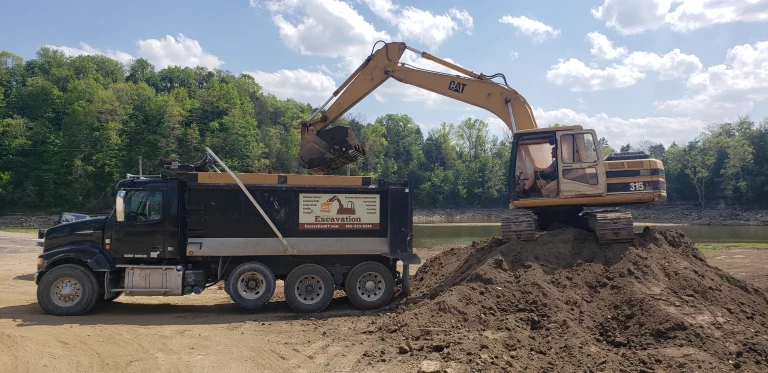
A grading & leveling estimate can change when the work area is behind a narrow gate, across soft ground, down a steep slope, close to a structure, or far from a practical truck or equipment path. Access details help set expectations before scheduling.

Water and grade conditions
Standing water, erosion, poor slope, soft soil, or runoff from nearby surfaces can change the way digging, grading, material placement, or cleanup should be planned. Mention drainage concerns even when drainage is not the main service.

Material already on site
Old gravel, concrete, brush, stumps, spoil piles, debris, and unusable fill can change the work because the material may need to be moved, reused, loaded, hauled, or graded before the area is ready.

Other contractors or requirements
If a builder, installer, utility provider, inspector, designer, or supplier has requirements, those details should be shared before the estimate. Excavation support should follow the project information that actually controls the work.

Finish expectations
A rough dig, a clean access path, a prepared building footprint, a graded driveway, and a ready-to-use surface are different outcomes. Explain what the finished area should look like and what should happen next.

Timing and site condition changes
Weather, recent rain, seasonal ground conditions, blocked access, and other active work on the property can change how the job should be approached. If the site changes after photos are sent, share updated notes before work begins.
Central Kentucky service area
Reliable Outcomes Excavation is based in Nicholasville and serves listed Central Kentucky communities. If your property is near the edge of the service area, include the address so travel and access can be checked up front.
Related services
Grading & Leveling often connects with other site work. These related services can help when your project needs more than one step.
Frequently asked questions
When is grading better than more digging?
Use grading when the main problem is surface shape, slope, access, or drainage direction rather than a trench, footing, or deep excavation.
Can grading help driveway access?
Yes. Grading can support driveway repair, gravel placement, and better access when the surface needs shaping before material is added.
Should I know the exact finished elevation?
Not always. Explain the problem and intended use. If a builder, plan, or inspector has specific elevations, include those details.
Can grading be done after lot clearing?
Yes. Clearing often opens the work area, and grading can follow when the goal is a cleaner, more usable surface.
Can this be combined with another service?
Yes. Grading & Leveling can often be discussed with related excavation, grading, clearing, hauling, driveway, drainage, footing, fence, deck, or metal building support when those pieces belong to the same property project.
What should I include in the estimate request?
Include the property location, photos of the work area, access details, drainage concerns, timing notes, and any plans or PDFs that explain the job.
Do I need exact measurements before I call?
No. Measurements help when you have them, but clear photos, the property location, and a short explanation are usually enough to begin.
Do you come to the property?
Yes. No office visit is needed. Call or use the estimate form with the address and project details.
Ready to Talk Through the Job?
Request an estimate for excavation and site work.
Call Reliable Outcomes Excavation or send the estimate form with the property location, photos, access details, and a short description of what needs to be done.
- Hours: 8:00 AM to 6:00 PM.
- Monday through Saturday.
- Closed Sunday.